
Real visitor story · A major Chinese city
A Custom Health Check-up in China Before an Evening Flight
How three days of emails turned a broad exam list into an individual plan before an evening flight.
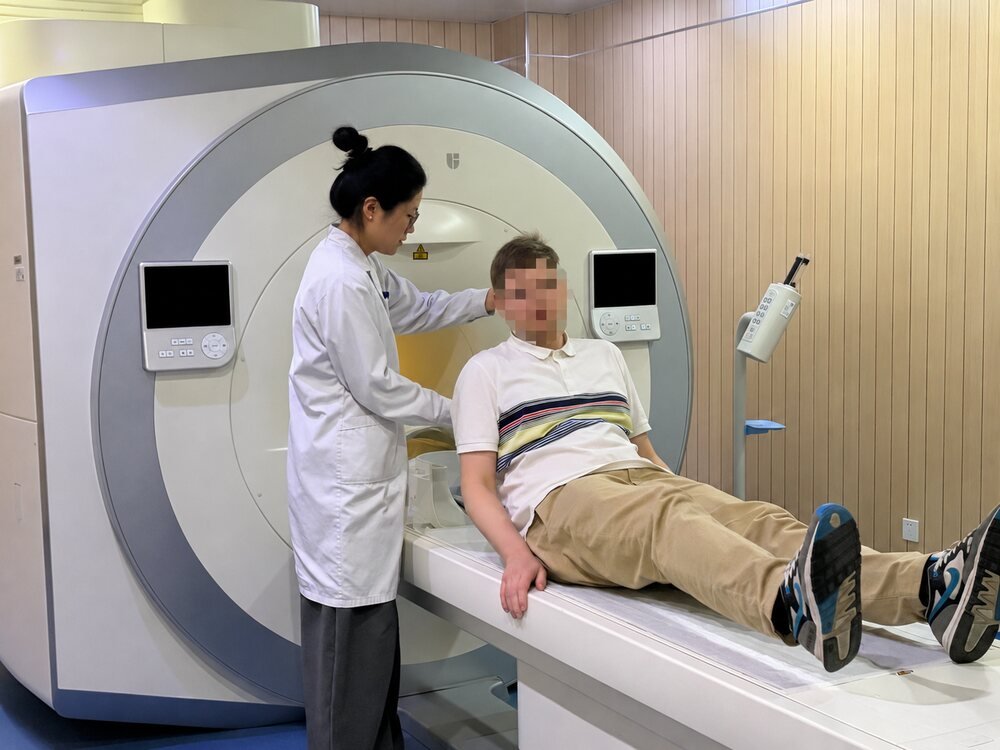
At eight in the morning, the traveler and his English-speaking coordinator had both reached the hospital, but couldn’t see each other. He had his luggage with him and a flight that evening. His coordinator asked what he could see across the street, recognized the landmark, and went to meet him.
Finding each other took only a few messages. Getting to that morning had taken three days of decisions, including one the traveler wanted to leave until he could talk to the doctor in person.
The first plan was too broad
His first email asked for a general health check-up in a major Chinese city, with more attention to his heart and lungs. He had previous test results for context, wanted English-speaking help, and needed to complete the visit before he flew out.
When the first checklist arrived, he flagged several CT scans and asked what they would add. He wanted to understand the difference between a coronary artery calcium (CAC) scan and a coronary CT angiogram, including the contrast injection discussed for the latter. He also asked which scans could come off the list if his priority was to limit radiation exposure.
MyChinaCheckup worked through the list with him by email. One revised proposal kept just one CT, a low-dose chest scan, alongside an echocardiogram and a resting ECG. It answered his question about reducing the number of CT scans, but it still put the remaining scan in a different place than he wanted. He asked for a brain MRI and said that if he did have one CT-based exam, he would rather discuss the CAC scan with a doctor first.
The final checklist reflected what he actually wanted
That led to a different plan: a brain MRI, an echocardiogram, a resting ECG, and blood work. The team kept the thyroid, superficial lymph-node, and ear, nose, and throat checks he had asked about. The chest CT came off the list, as did vision and dental exams he did not want. The revised checklist also distinguished what he had asked about from what the plan actually listed; for example, the ENT exam was included, but a separate hearing test was not confirmed.
The CAC scan stayed on the booking as a decision to make at the hospital, not something he had to go ahead with. He asked what would happen if he decided against it. The team confirmed in writing that his agreed price would stay the same and that they could discuss a different test on the day. He could review the list and the terms before committing.
The night before, the questions became practical
Once the plan was settled, he wanted to know exactly how to prepare, how long he would be at the hospital, and whether someone would be with him to interpret. The team sent written fasting and booking instructions and opened a WhatsApp group with his coordinator. When the payment link got stuck, they offered another way to pay and told him the appointment could go ahead even if he needed to sort out payment in person. His coordinator also checked where he could leave his bag during the examinations.
Meanwhile, the traveler shared prior records in several languages. The team prepared a short Chinese-English summary around the results he wanted the doctor to review and omitted an unrelated injury record at his request. When he arrived, he had someone to help with the conversation and a concise summary for the doctor, rather than a stack of files to explain from scratch.
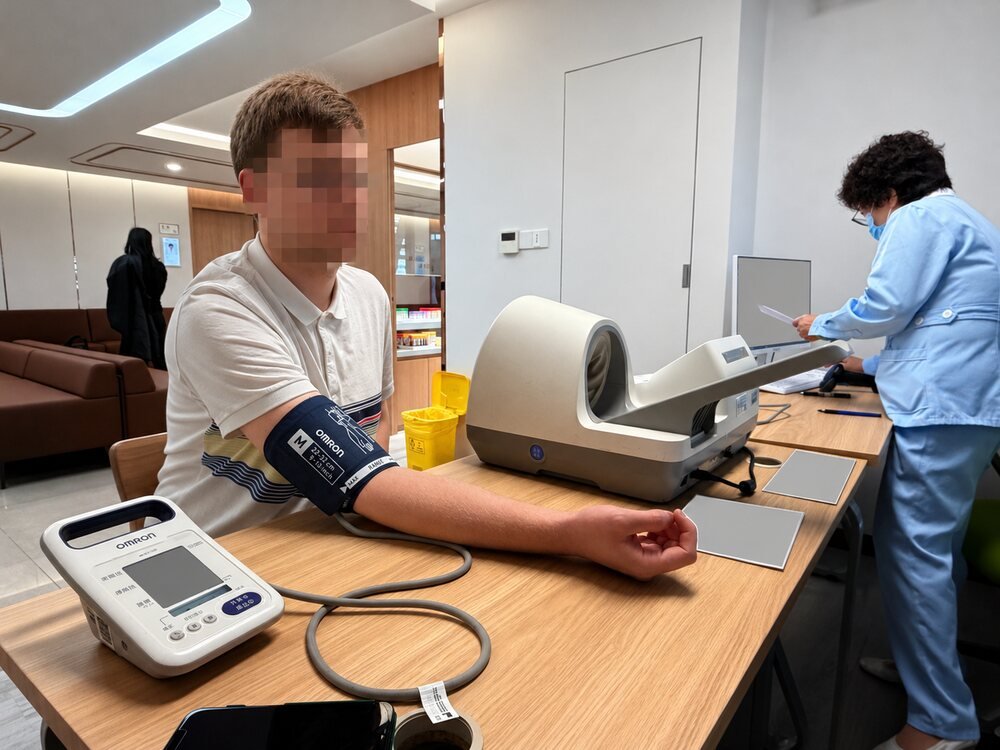
The decision he had saved for the doctor
The CAC scan did not go ahead. The hospital visit instead included an arteriosclerosis assessment and a cardiac enzyme panel. Those tests were the changes made for this visit; they are not equivalent to a CAC scan. That decision had been kept open deliberately, so the booking did not decide it for him.
The on-site visit finished at 11:00 a.m. He still had his evening flight ahead of him. The time marked the end of the visit, not the release of the hospital report. The original report and English translation were a separate follow-up step.
What did MyChinaCheckup help with?
The team revised the exam list with the traveler, arranged English-speaking accompaniment and time to speak with a doctor, prepared a bilingual summary, and helped with the practicalities of payment, luggage, and arrival. The doctor assessed the testing options. This was one traveler’s visit, not a standard set of tests or a guaranteed appointment duration.
About this story: This case was prepared from anonymized appointment correspondence, coordination messages, and visit records. It describes one visit, not a recommended set of tests.